Analysis
IGII Grading Analysis are crucial to the global diamond, gem, and jewelry market, acting as a universal standard of trust and credibility in the gemological industry.
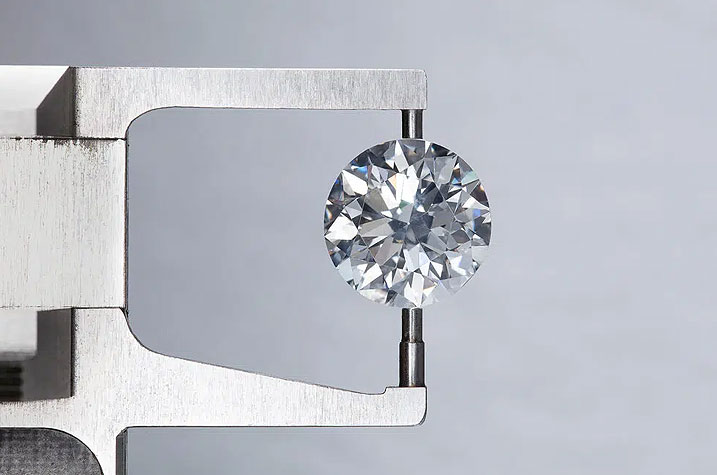
Diamond Analysis
Diamond analysis is the process of evaluating a diamond’s quality, authenticity, and value using standardized gemological methods. It involves assessing the 4Cs—Carat, Cut, Color, and Clarity—which determine the diamond’s overall brilliance and worth.
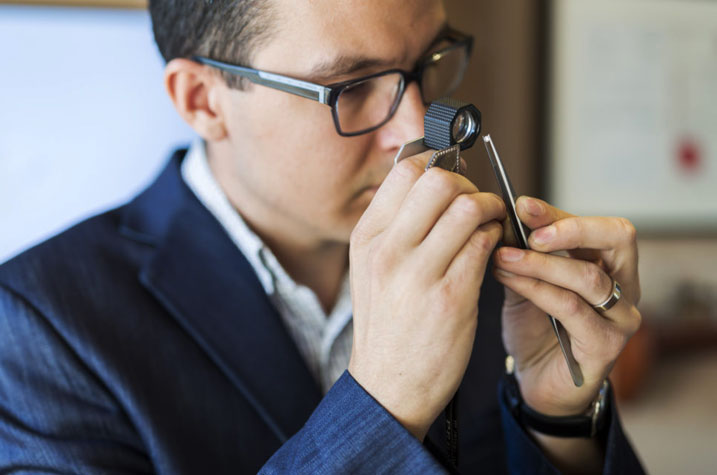
Diamond analysis include:
- Carat Weight: Measuring the diamond’s size and mass.
- Cut Quality: Examining how well the diamond has been shaped and faceted for maximum brilliance.
- Color Grading: Evaluating the presence of any color, with the most valuable diamonds being colorless.
- Clarity Assessment: Identifying inclusions and blemishes that affect the diamond’s purity.
- Fluorescence Testing: Checking the diamond’s reaction to ultraviolet light.
- Authenticity & Treatment Detection: Verifying whether the diamond is natural, lab-grown, or treated.
Advanced techniques such as spectroscopy, fluorescence analysis, and microscopic inspection ensure accurate evaluation. Diamond analysis plays a crucial role in determining a diamond’s market value, helping buyers, sellers, and gemologists make informed decisions.

Jewelry Analysis
Jewelry Analysis involves evaluating the quality, authenticity, and value of jewelry pieces by examining materials, gemstones, craftsmanship, and design. It helps assess purity, gemstone grading, and market worth, ensuring transparency and authenticity in the industry.
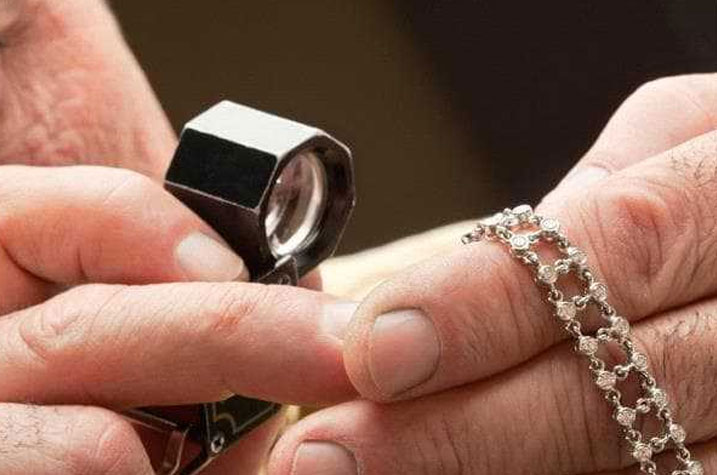
Jewelry analysis include:
- 1. Material Examination: Jewelry analysis starts by identifying the metals used, such as gold, silver, platinum, or other alloys. Advanced testing methods like X-ray fluorescence (XRF) or acid testing are employed to determine the metal's purity and karat value.
- 2. Gemstone Grading: Gemstones are evaluated based on the 4 Cs — Cut, Color, Clarity, and Carat Weight. Experts use specialized tools like microscopes, refractometers, and UV lights to assess gemstone authenticity, detect treatments, and identify synthetic or imitation stones.
- 3. Craftsmanship and Design Analysis: The construction quality, setting techniques, symmetry, and overall design are examined to evaluate durability and aesthetic appeal. Fine craftsmanship often enhances a piece's value significantly.
- 4. Authenticity Verification: Jewelry analysis involves identifying hallmarks, engravings, or certifications to confirm the item's origin and authenticity. This is essential for detecting counterfeit pieces or verifying brand signatures.
- 5. Market Value Assessment: A professional appraisal considers current market trends, rarity, and demand to provide an accurate valuation. This is vital for insurance, resale, or investment purposes.
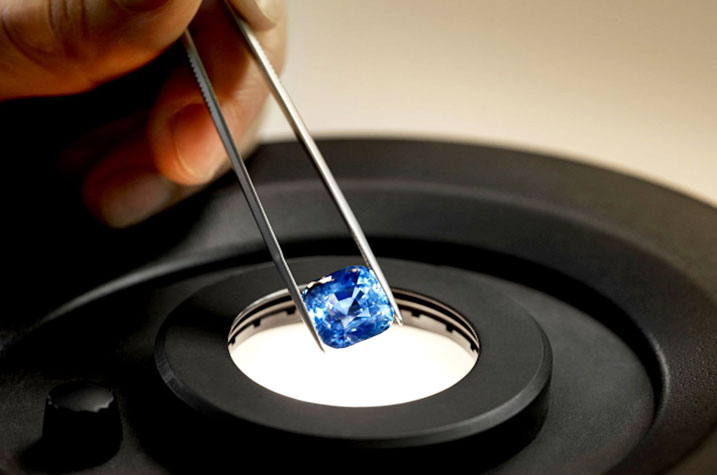
Colored Stone Analysis
At IGII, we meticulously evaluate and analyze the characteristics of both mounted and loose colored stones using our advanced, state-of-the-art testing equipment. Our comprehensive assessment covers key attributes such as description, weight, measurements, shape, cutting style, and color.
Through detailed detection and identification processes, we determine whether the stone is natural or synthetic. The findings are documented in a detailed report, providing a conclusive result after a thorough gemmological examination. This report outlines essential details, including the stone’s color, transparency, shape, cut, dimensions, and weight, ensuring accuracy and authenticity in every evaluation